
Introduction
In the fast-paced world of technology, innovation is key to a company’s survival and growth. Low-code platforms have emerged as a revolutionary solution, enabling organizations of all sizes to develop applications quickly, without the need for advanced programming skills. Imagine turning ideas into reality in a matter of days, rather than months! In this article, we’ll explore how these platforms are changing the game of innovation, discussing their key features, benefits, and how they can drive business agility. Get ready to discover how low-code can be your ally on the journey toward digital transformation.
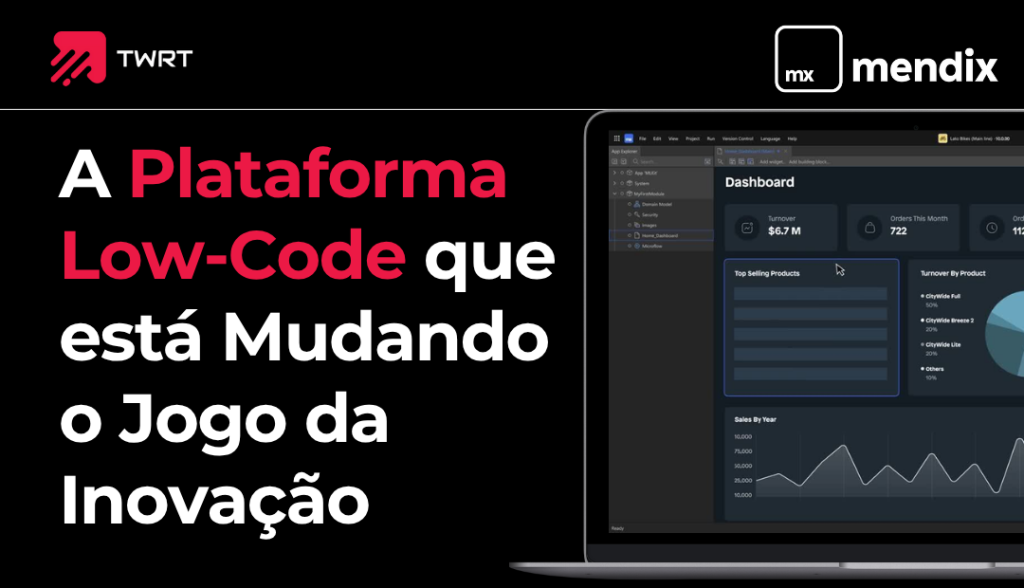
The Low-Code Platform That Is Changing the Game of Innovation
Plataforma Low-Code: No mundo atual, onde tempo é dinheiro e a inovação não pode esperar, empresas estão buscando formas mais ágeis de desenvolver soluções digitais. à‰ nesse cenário que o Mendix vem se destacando como uma das plataformas low-code mais poderosas e acessíveis do mercado.
Mas o que é o Mendix? Por que tantas empresas estão adotando essa plataforma? E onde ela pode ser aplicada? Vamos te explicar tudo de forma simples e direta – sem tecnicalidades complicadas.

O que é o Mendix?
O Mendix é uma plataforma de desenvolvimento low-code, ou seja, permite criar aplicativos e soluções digitais com pouca ou nenhuma codificação manual. Isso significa que até mesmo profissionais sem formação técnica – como analistas de negócios ou gestores – podem participar da criação de soluções tecnológicas.
The tool is designed to accelerate software development, reduce costs, involve different departments within the company, and foster innovation more quickly.

Plataforma Low-Code: Curiosidades sobre o Mendix
- Origem Europeia: Mendix foi criado na Holanda, em 2005, e ganhou destaque global após ser adquirido pela Siemens em 2018.
- Low-Code de Verdade: Com Mendix, é possível criar aplicativos completos arrastando e soltando elementos, com uma interface visual simples.
- Focus on collaboration: The platform enables technical and non-technical teams to collaborate in the same environment, fostering true co-creation.
- Presença Global: Mendix é usado por empresas de mais de 70 países, incluindo grandes nomes como Philips, Zurich e Continental.
- Deploy em qualquer lugar: Os apps desenvolvidos com Mendix podem rodar na nuvem, em servidores locais ou até mesmo em dispositivos móveis.
- Integrated AI: The platform features intelligent suggestions powered by artificial intelligence to further accelerate development.
- Active community: It has a global community of developers and users who share tutorials, tips, and ready-to-use templates.
Onde o Mendix pode ser aplicado?
A flexibilidade do Mendix permite que ele seja utilizado nos mais diversos setores e tipos de projeto. Veja algumas aplicações práticas:
- ✅ Automation of internal processes: replacing spreadsheets and manual tasks with automated systems.
- ✌️ Customer apps: creating custom apps to enhance the customer experience.
- ✅ Management systems: such as CRMs, ERPs, or industry-specific platforms.
- ✌ Corporate portals: for suppliers, employees, franchisees, or partners.
- ✧ Integration with legacy systems: combining the new with what already works without having to throw everything out.
- ✅ Custom reports and dashboards: with real-time data and dynamic visualization.
- ✅ MVPs and rapid prototypes: ideal for testing ideas quickly before making major investments.
Por que o Mendix está se tornando tendência?
Empresas que usam Mendix conseguem reduzir significativamente o tempo de entrega de soluções – em alguns casos, de meses para semanas. Isso abre portas para testar ideias mais rápido, adaptar-se com mais flexibilidade e responder à s mudanças do mercado com muito mais agilidade.
Furthermore, given the shortage of developers, the low-code model is a smart strategy for involving other professionals in development and accelerating innovation.
O Mendix não é apenas uma plataforma de desenvolvimento: é uma ferramenta estratégica para empresas que desejam inovar com velocidade, segurança e eficiência.
Seja para otimizar processos internos ou criar novas experiências digitais, o low-code está aqui para ficar, e o Mendix está liderando essa revolução. Se a sua empresa quer criar soluções digitais de forma rápida, acessível e escalável, talvez esteja na hora de olhar com carinho para o Mendix.
Keep exploring
📚 Want to learn more?
Check out our Complete Guide to Low-Code for a comprehensive overview of the topic.
How It Works
The low-code platform allows users to easily create apps and digital solutions without needing advanced programming skills. Here’s how it works:
- Visual Interface: Users interact with an intuitive interface where they can drag and drop elements to build their applications.
- Ready-to-Use Components: The platform offers a library of pre-configured components, such as forms, charts, and buttons, which can be customized as needed.
- Process Automation: It is possible to automate repetitive tasks by integrating workflows that help increase efficiency.
- Testing and Publishing: After building their applications, users can test them in real time and publish them with a single click.
With this approach, anyone—regardless of their technical background—can participate in the process of innovation and the development of digital solutions.
Benefits
Agile Development
The low-code platform enables development teams to build applications quickly and efficiently, reducing time to market. For example, a company can develop a prototype in days rather than months, accelerating the innovation process.
Cost Reduction
With process automation and the reduced need for complex coding, operating costs are significantly lowered. Companies that adopt low-code solutions can save up to 30% on development costs.
Accessibility for Non-Programmers
Low-code platforms democratize development, enabling professionals without programming experience to create applications. This empowers marketing or sales teams to develop customized solutions without relying solely on the IT team.
Simplified Integration
Low-code tools often offer easy integration with existing systems, making it simple to connect different platforms. For example, an application can be quickly integrated with a CRM or ERP system, improving operational efficiency.
Scalability and Flexibility
Low-code solutions are designed to scale as the company grows. This means that as demand increases, applications can be easily adapted and expanded, ensuring that the technology keeps pace with business growth.
Use Cases
The low-code platform is revolutionizing the way companies develop solutions. Here are some practical examples of its real-world applications:
-
Internal Process Automation
A logistics company used a low-code platform to automate its package tracking process. As a result, it was able to reduce response times by 50% and improve customer satisfaction.
-
Custom Application Development
An educational institution created an app to manage student course registrations. Using a low-code platform, development was completed in weeks rather than months, allowing the school to quickly adapt to students’ needs.
-
Systems Integration
A healthcare company integrated its patient management and billing systems using a low-code solution. This not only improved efficiency but also reduced administrative errors, resulting in faster service.
-
Creating Analytical Dashboards
A digital marketing startup developed custom dashboards for analyzing advertising campaign data. Using a low-code platform, the marketing team was able to create real-time visualizations, facilitating strategic decision-making.
Related Articles
Discover the power of Mendix


