
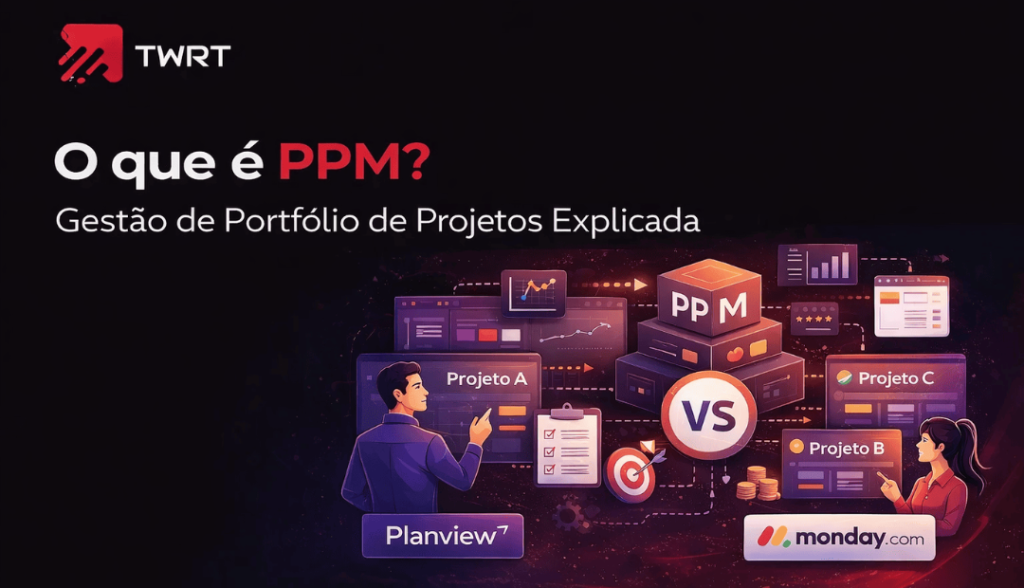
What is PPM (Project Portfolio Management)? A Complete Guide
1. TL;DR
PPM (Project Portfolio Management) é a prática de gerenciar múltiplos projetos em um portfólio, com o objetivo de otimizar recursos e alinhar os projetos com a estratégia organizacional. Ferramentas como Planview e Microsoft Project são frequentemente utilizadas para facilitar esse processo.
📑 In this article
2. Quick Answer: What is PPM (Project Portfolio Management)?
PPM is a strategic approach to managing, prioritizing, and optimizing a portfolio of projects within an organization. It aims to ensure that projects are aligned with strategic objectives and that resources are used efficiently.
Software tools help visualize and analyze data, making it easier to make informed decisions.
3. Table of Contents
- Complete Definition of PPM (Project Portfolio Management)
- History and Origin
- Key Features
- Benefits
- Use Cases
- How to Get Started with PPM (Project Portfolio Management)
- PPM (Project Portfolio Management) in Brazil
- Frequently Asked Questions
- Conclusion
4. Complete Definition of PPM (Project Portfolio Management)
What is
Project Portfolio Management (PPM) is a process used by organizations to manage and analyze the selection of projects in which they wish to invest.
This practice ensures that an organization’s projects are aligned with its strategic goals and objectives, optimizing resource allocation and maximizing return on investment.
By implementing PPM, companies can take a holistic view of all projects, assessing their collective impact on organizational success.
What is it for?
PPM helps organizations decide which projects to prioritize, which to postpone or cancel, and how to allocate resources efficiently. It also provides a comprehensive view of ongoing projects, making it easier to identify risks and opportunities.
In addition, PPM makes it easier to adapt to dynamic market changes, allowing companies to quickly adjust their portfolios to align with new strategies or market conditions.
How it works
PPM works by aggregating data from different projects, providing a clear overview of performance and strategic alignment. Software tools are used to collect, analyze, and present this data in an accessible way, facilitating informed decision-making.
These tools enable scenario simulation, helping organizations predict the impact of potential changes before implementing them, thereby minimizing risks and maximizing opportunities.
Who uses it
PPM is used by project managers, business executives, and PMO (Project Management Office) teams. Organizations of all sizes and across all industries implement PPM to improve the efficiency and effectiveness of their operations.
Technology, manufacturing, and finance companies—and even startups—are among those that benefit most from PPM, as it brings clarity and efficiency to environments that are often complex and dynamic.
5. History and Origins
The concept of project portfolio management emerged in the 1950s, when organizations began looking for more efficient ways to manage multiple projects simultaneously.
The term gained popularity in the 1990s with the advent of new technologies and the growing need for strategic alignment in an increasingly competitive business environment.
Advances in information and communication technologies have led to significant progress in how project data is collected, analyzed, and used for decision-making.
6. Key Features
- Strategic Alignment: Ensures that all projects are aligned with organizational goals, serving as a bridge between project execution and strategic planning.
- Risk Assessment: Identifies and mitigates potential risks in projects using advanced risk analysis and uncertainty management techniques.
- Resource Allocation: Optimizes the allocation of human, financial, and technological resources, ensuring that each resource is used in the best possible way to maximize efficiency.
- Project Prioritization: Determines which projects should be prioritized based on strategic criteria such as ROI, market impact, and innovation potential.
- Continuous Monitoring: Tracks project progress and performance in real time, using real-time dashboards and reports to provide actionable insights.
- Performance Analysis: Evaluates the success of projects in terms of ROI and other key performance indicators, such as meeting deadlines and customer satisfaction.
7. Benefits
1. Better Strategic Alignment
PPM ensures that projects are directly and clearly aligned with the organization’s strategic objectives, fostering a unified focus that prevents waste and redundant efforts.
2. Efficient Use of Resources
It enables the optimization of resource allocation, preventing waste and ensuring that the right resources are allocated to the right projects, thereby increasing productivity and reducing operating costs.
3. Risk Mitigation
With a comprehensive view of their projects, organizations can identify and mitigate risks more effectively by using risk analysis tools to anticipate potential problems before they occur.
4. Improved Decision-Making
Real-time data analysis enables more informed, faster, and more accurate decisions, equipping managers with the essential information they need to respond quickly to challenges.
5. Greater Transparency
It facilitates communication and understanding among stakeholders, promoting transparency at every stage of the project, which enhances engagement and trust among teams.
6. Increased ROI
By prioritizing high-impact projects, PPM maximizes return on investment, ensuring that capital is invested in the most promising initiatives.
7. Flexibility and Adaptability
It enables rapid adaptation to changes in the business environment by adjusting the portfolio as needed to maintain a competitive advantage and respond to new market opportunities.
8. Use Cases
1. Information Technology
IT companies use PPM to manage software development projects, ensuring that projects are aligned with customer needs and technological innovations.
For example, a software company can use PPM to prioritize the development of new features that deliver greater value to customers, while postponing projects with less impact.
2. Construction
Construction companies manage multiple projects simultaneously, ranging from infrastructure to residential projects, optimizing resources and timelines. A practical example is the use of PPM to prioritize critical infrastructure projects during a period of budget constraints.
3. Public Sector
Governments use PPM to prioritize and manage infrastructure, health, and education projects, maximizing social impact with available resources.
A common use case is the allocation of funds to projects that directly improve citizens’ quality of life, such as the construction of hospitals and schools.
4. Financial Services
Financial institutions use PPM to manage new product development, compliance, and digital transformation projects. A bank may use PPM to prioritize compliance projects that ensure adherence to new regulations, thereby minimizing legal risks.
5. Manufacturing Industry
Manufacturers use PPM to optimize production, supply chain management, and product innovation. For example, an automotive company might use PPM to balance the development of new vehicle models with the modernization of existing manufacturing processes.
9. Getting Started with PPM (Project Portfolio Management)
Practical Steps
- Assess Your Current Situation: Understand the current status of your projects and available resources. Identify strengths and areas that need improvement.
- Set Strategic Objectives: Establish clear and measurable goals for the portfolio. Align these objectives with the organization’s vision and mission.
- Choose PPM Tools: Select software that meets your organization’s specific needs, taking into account functionality, scalability, and cost-effectiveness.
- Develop a Standardized Process: Create clear processes for prioritization, resource allocation, and monitoring to ensure consistency and efficiency.
- Train Your Team: Ensure that all team members understand the PPM process and tools, fostering a culture of continuous improvement.
- Implement and Monitor: Start implementing PPM and continuously monitor the results, making adjustments as needed to maximize effectiveness.
10. PPM (Project Portfolio Management) in Brazil
In Brazil, the use of PPM has been growing as companies seek to improve operational efficiency and strategic alignment. Sectors such as technology, construction, and government have adopted PPM to address economic challenges and maximize the use of limited resources.
TWRT offers specialized consulting services to Brazilian companies looking to implement PPM, helping them navigate the complexities of the local market.
With expertise in adapting global PPM practices to the Brazilian context, TWRT helps organizations maximize their portfolios and achieve lasting results.
11. Frequently Asked Questions
1. What are the main PPM tools?
Planview, Microsoft Project, Primavera e Jira são algumas das principais ferramentas utilizadas. Cada uma oferece funcionalidades distintas, como integração com outros sistemas, customização e relatórios avançados.
2. How does PPM differ from traditional project management?
While project management focuses on individual projects, PPM manages a portfolio of projects in an integrated manner, providing a big-picture view that aligns all projects with the organization’s strategic objectives.
3. What are the common challenges in implementing PPM?
Resistance to change, a lack of accurate data, and inadequate resource allocation are common challenges. Overcoming them requires a well-defined change strategy and effective communication.
4. Is PPM suitable for small businesses?
Yes, PPM can be tailored to meet the needs of small businesses, enabling better resource allocation and strategic alignment. Lightweight, scalable tools can be the key for small businesses.
5. What is the PMO’s role in PPM?
The PMO (Project Management Office) is responsible for standardizing processes and ensuring that the PPM is executed effectively. It serves as a center of excellence, providing support and continuously improving portfolio management practices.
6. How can we measure the success of the PPM?
Success can be measured using KPIs such as ROI, meeting deadlines, and strategic alignment. Data analytics tools can help monitor these metrics in real time.
7. What are the costs involved in implementing PPM?
Costs vary depending on the organization’s complexity and the tools selected, but may include software licenses, training, and consulting. It is important to consider the cost-benefit ratio and the potential impact on the organization’s results.
8. Can the PPM be automated?
Yes, many PPM tools offer automation features for repetitive tasks and reporting, allowing teams to focus on strategic decisions rather than administrative tasks.
9. How does PPM handle changes in the business environment?
PPM offers the flexibility to quickly adjust projects and resources in response to market changes, enabling organizations to remain agile and competitive.
10. What are the future trends in PPM?
The integration of AI for predictive analytics and process automation is a growing trend in PPM. The customization of PPM dashboards to better meet the specific needs of organizations is another growing area.
12. Conclusion
Project Portfolio Management (PPM) is an essential tool for organizations seeking to optimize their projects and align their operations with strategic objectives.
With benefits ranging from better resource allocation to increased ROI, PPM is a valuable practice for companies of all sizes.
In Brazil, the adoption of PPM is on the rise, and TWRT offers specialized support to help organizations successfully implement this approach.
If your company is ready to take advantage of the benefits of PPM, consider investing in the right tools and specialized training to achieve effective results.
The PPM not only improves operational efficiency but also provides a clear path to sustainable growth and continuous innovation.
Related Articles
nn
Discover Planview solutions



